
Products
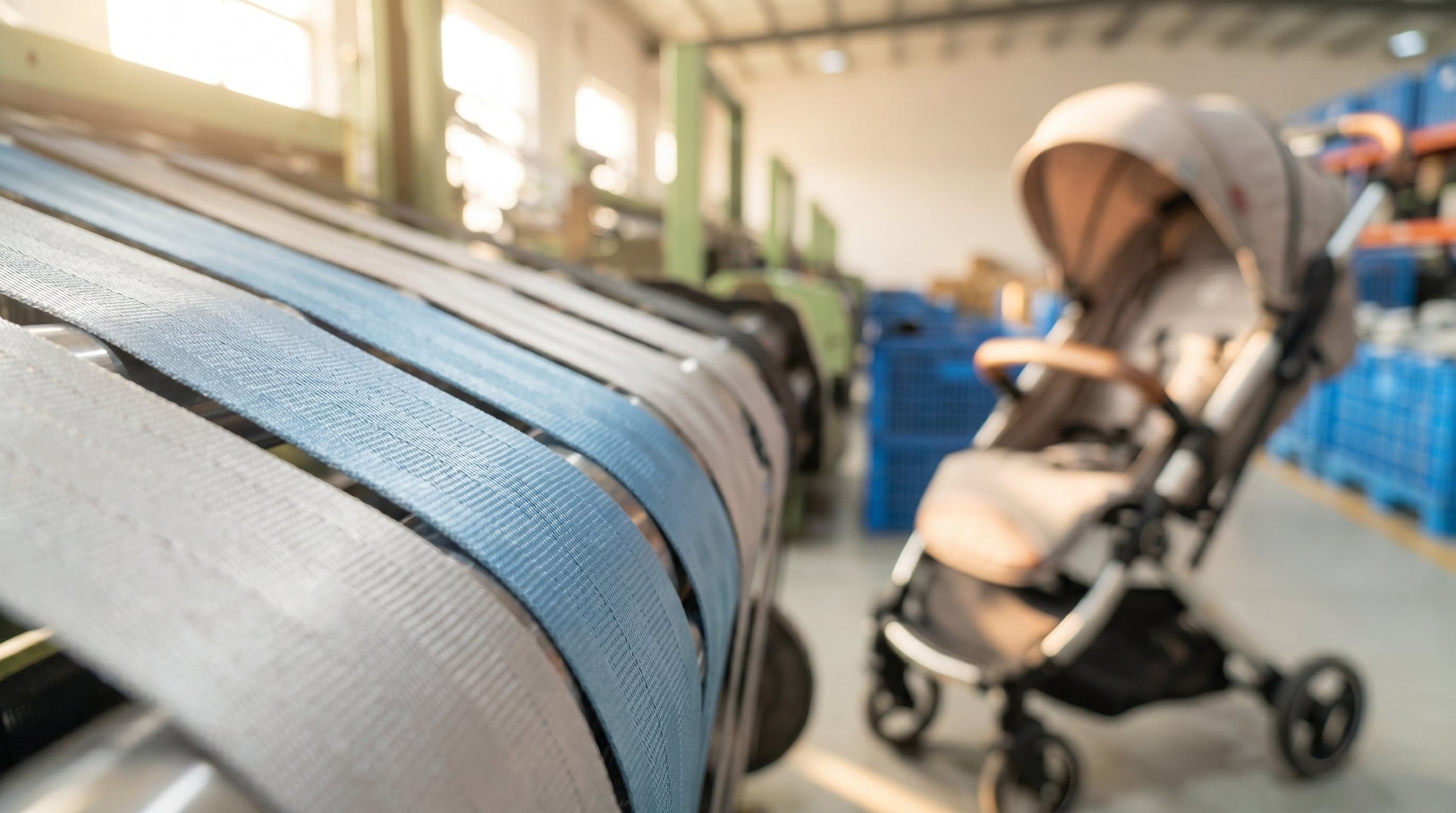
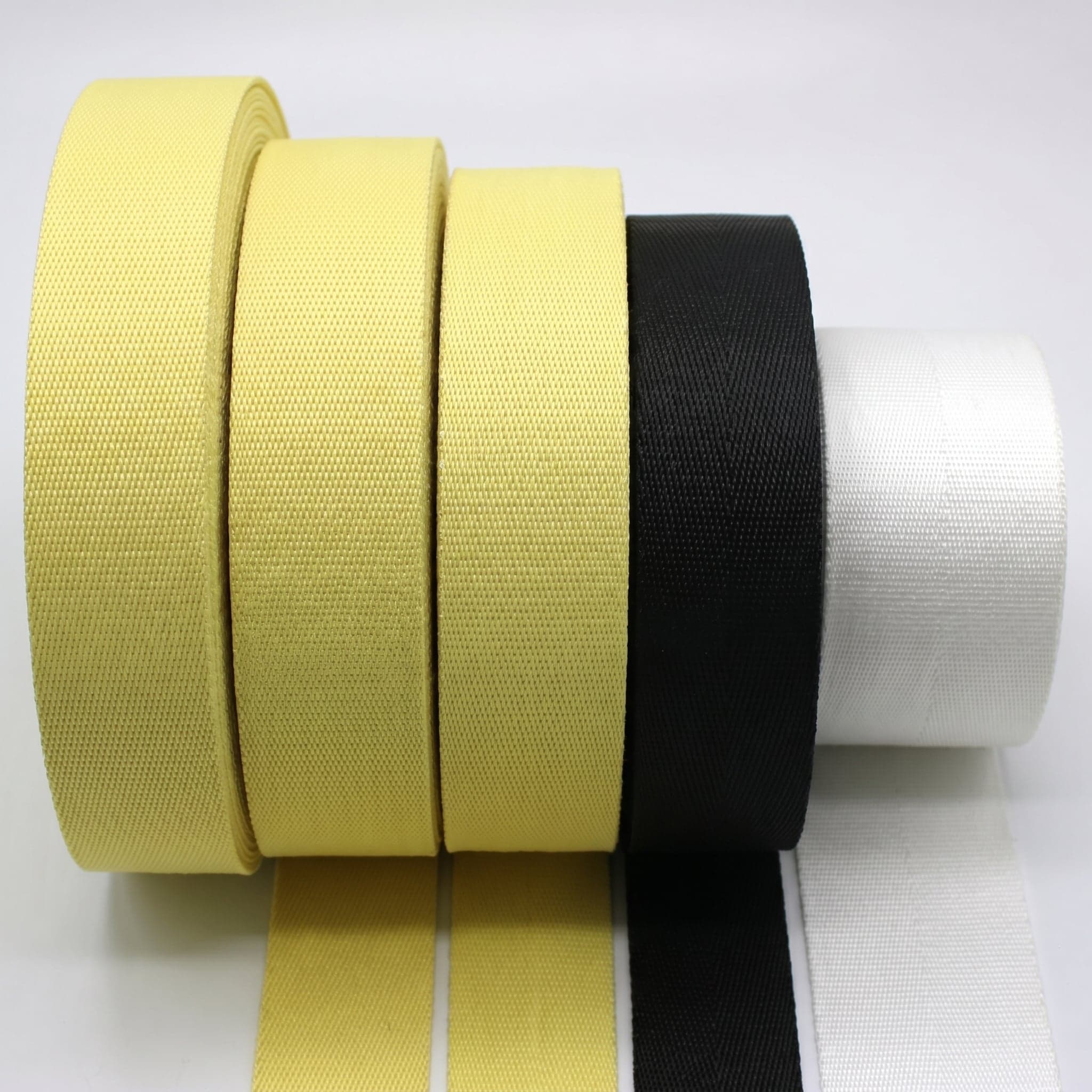
Engineered Webbing for Juvenile Safety
Webbing is not an accessory. In a stroller, a car seat, or a baby carrier, it is the single component that stands between a child and harm. Every weave, every yarn count, every dye process is a decision that affects how that webbing performs under load — over years of daily use.
For twenty-five years, we have engineered webbing for one industry. Our work begins not with a finished textile, but with the fiber. The selection of yarn type, the orientation of fibers within the weave, the integration of color at the molecular level — these are not interchangeable choices. Each is engineered against a specific performance requirement.
Webbing engineered for juvenile applications must perform across a defined set of properties.
- Tensile strength sufficient to absorb dynamic loads under sudden tension events
- Controlled elongation that distributes force without exceeding harness geometry tolerances
- Color permanence that resists fading, washing, and abrasion across the product's service life
- Compliance with international juvenile safety and chemical standards (Oeko-Tex Standard 100 Class I, REACH SVHC, CPSIA)
- Skin compatibility verified for prolonged contact with infant and toddler skin
- Process traceability from yarn batch through finished webbing
- Dimensional stability maintained across temperature, humidity, and laundering cycles
These properties cannot be achieved through general-purpose webbing manufacturing. They require deliberate fiber selection, deliberate process control, and deliberate specialization.
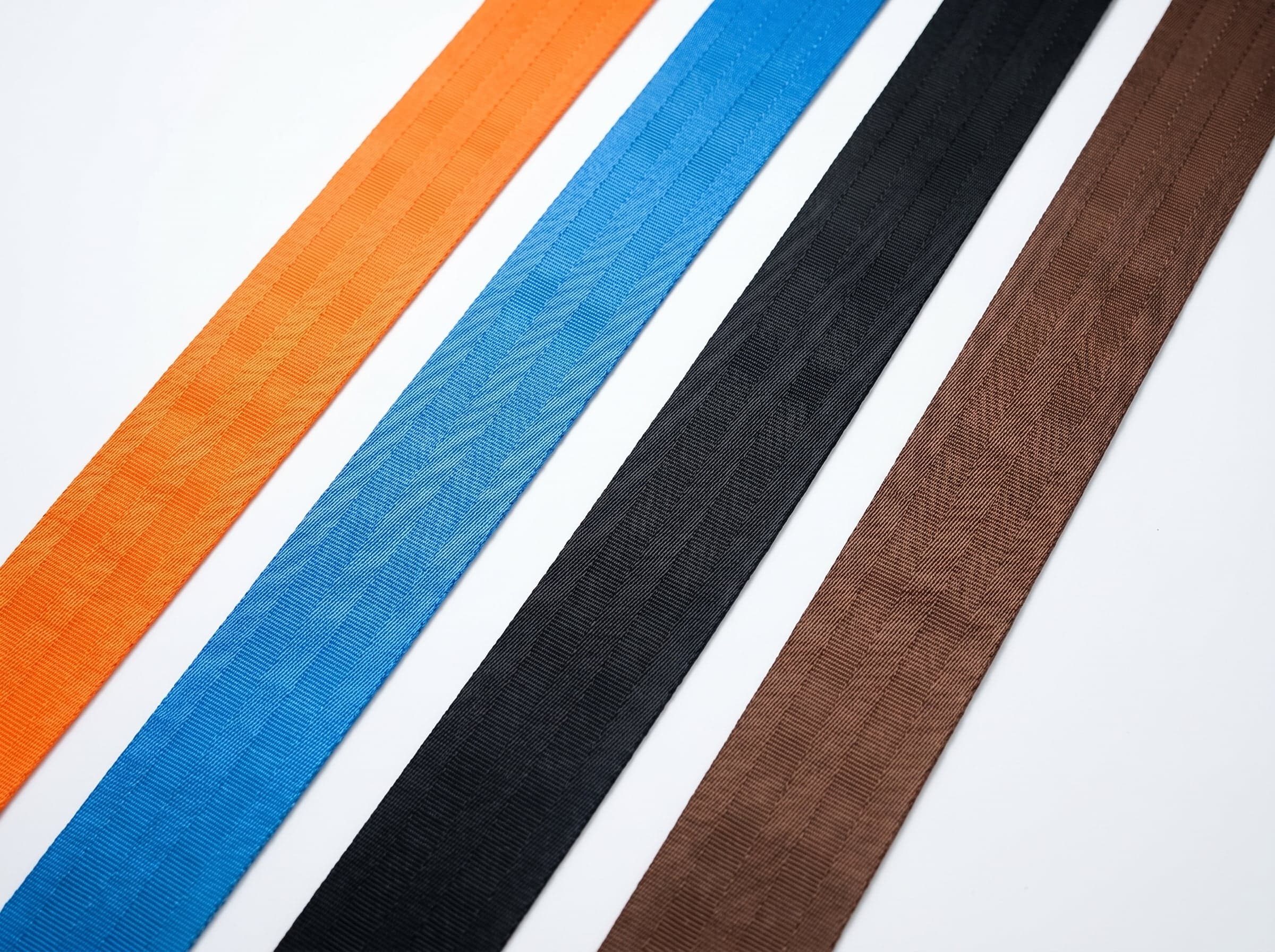
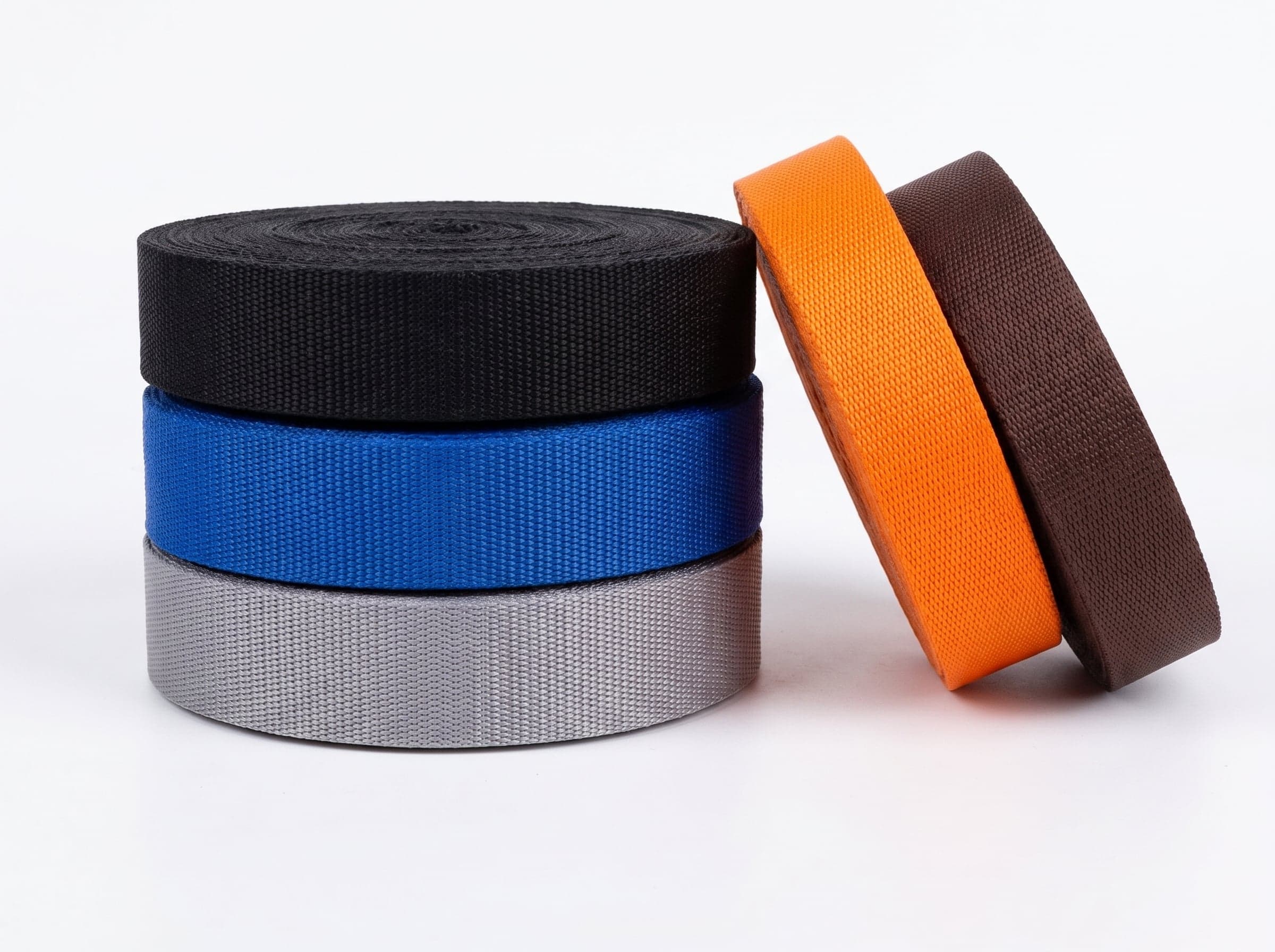
Our four fiber families — solution-dyed polyester, solution-dyed polypropylene, nylon, and high-performance specialty fibers — represent twenty-five years of refinement against this single set of requirements.
The Four Fiber Families
Four fibers. One uncompromising standard.
Looking for Specifications That Aren't Listed?
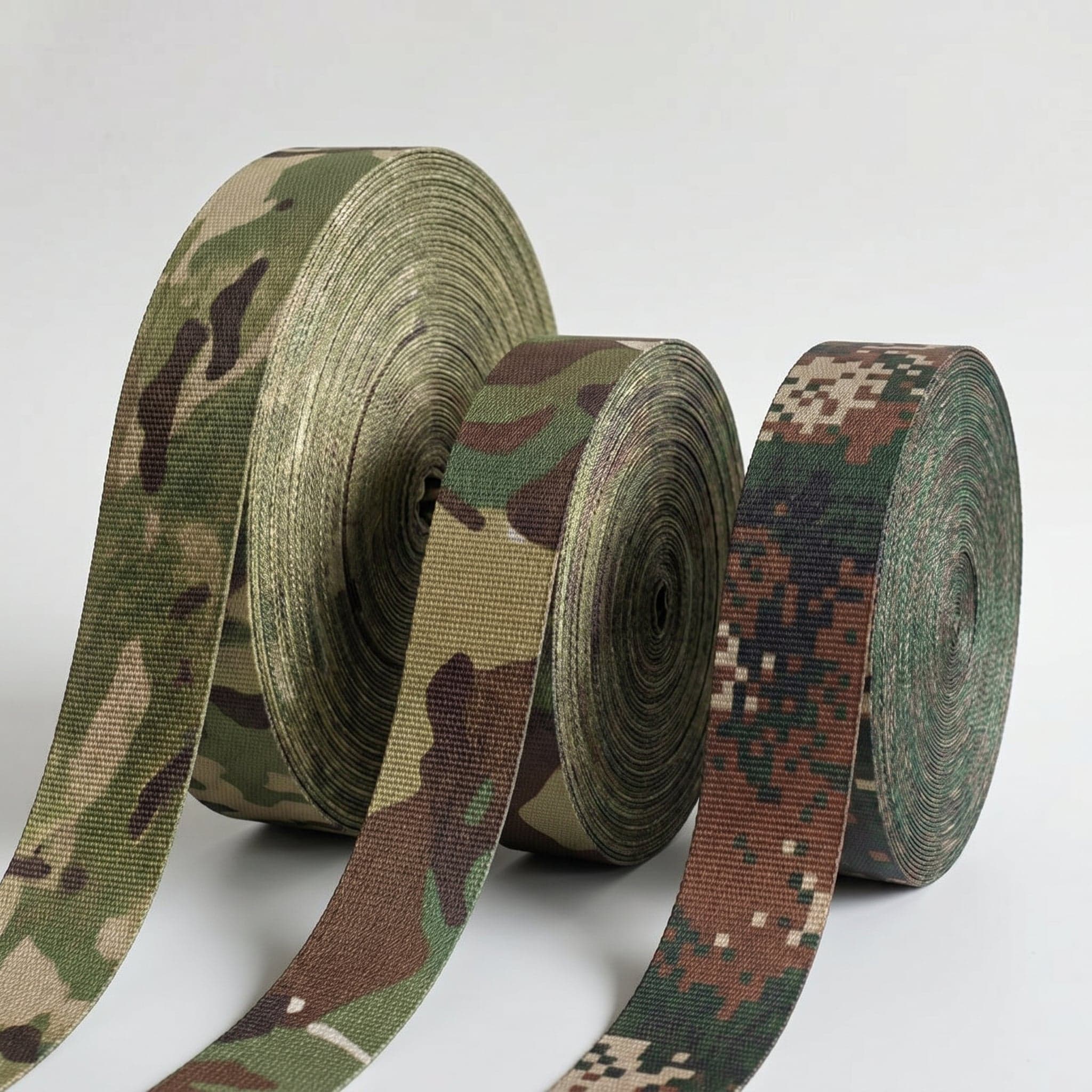
Our standard product range covers the majority of juvenile webbing applications, but custom specifications — width, thickness, tensile rating, color, finish — are part of our daily work. Direct technical communication with our owner-operator is part of how we work.